
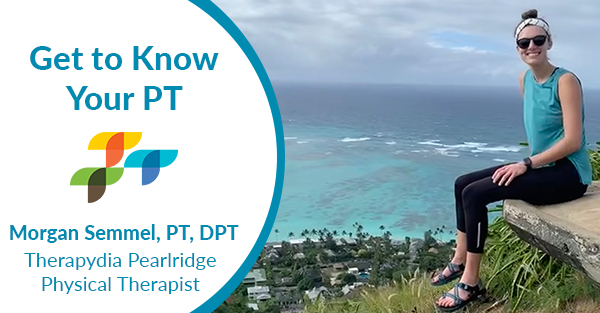
Get To Know Your PT: Morgan Semmel PT, DPT
Get to know Therapydia Pearlridge’s newest physical therapist, Morgan Semmel PT, DPT as she shares what surprised her the most about PT, her Saturday morning routine and her favorite way to stay active. There are so many ways to be active, find what works for you! When did you know that you wanted to be a physical therapist? I played […]
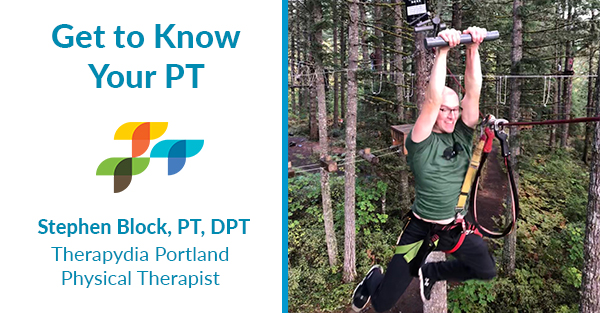
Get To Know Your PT: Stephen Block PT, DPT
Get to know Therapydia Portland’s newest physical therapist, Stephen Block PT, DPT! Learn more about Stephen as he shares his favorite pump up music and what he wishes everyone knew about the physical therapy process. Progress is not a straight, upward, line. Progress is an uneven and jagged line with highs and lows. The important part to remember is that, […]
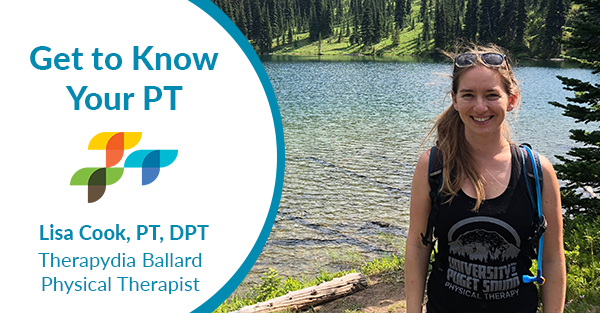
Get to Know Your PT: Lisa Cook PT, DPT
Get to Know Your PT: Lisa Cook PT, DPT Learn more about Therapydia Ballard’s newest physical therapist, Lisa Cook PT, DPT as she shares her favorite piece of wellness advice, her journey to becoming a PT and how she likes to spend her weekend. “We do not stop exercising because we grow old – we grow old because we stop […]
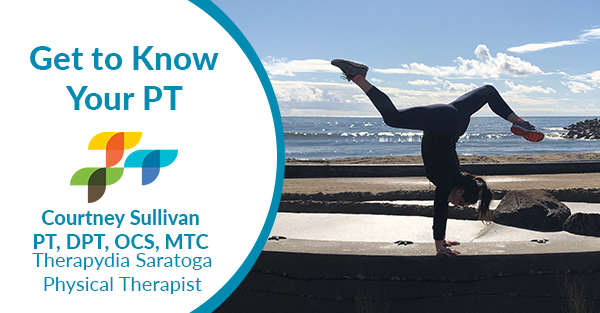
Get to Know Your PT: Courtney Sullivan PT, DPT, OCS, MTC
Get to know Courtney Sullivan PT, DPT, OCS, MTC as she shares what made her want to become a PT, her plans for further education and her favorite way to unwind after a long day. Take the time to figure out what works best for YOUR BODY, and make it happen! When did you know that you wanted to be […]

3 Ways Physical Therapy is an Effective Headache Treatment Option
By Monica Mai Therapydia Beaverton Headaches occur as a result in changes in chemical activity in your brain. These changes can be caused by a variety of reasons and conditions. There are two major categories of headaches included in this article today, these are based on the source of pain and how physical therapists can administer headache treatments to […]
Get to Know Your PT: Kelly Steffy, PT, DPT
Get to know Therapydia Vancouver’s newest physical therapist- Kelly Steffy, PT, DPT! Kelly shares with us her future education plans to receive her pelvic rehabilitation specialist certification, how she likes to stay active and her favorite piece of wellness advice. Give yourself the same care and attention that you give to others. When did you know that you wanted to […]

Get To Know Your PT: Kelsey Dehmer, PT, DPT, OCS
Get to know Therapydia Ballard physical therapist Kelsey Dehmer, PT, DPT, OCS as she shares what she wishes everyone knew about PT, her love of Lizzo and how she likes to stay active. You have to take care of yourself first in order to take care of your patients When did you know that you wanted to be a physical […]

Why Are Whiplash Symptoms Delayed?
Whiplash is a common neck injury caused by a rapid back and forth movement of the neck, typically from a car accident or other trauma involving the head. If you’ve ever experienced whiplash, you may have noticed that you may not feel neck pain right away. This lag in feeling symptoms of pain from the initial accident is known as […]
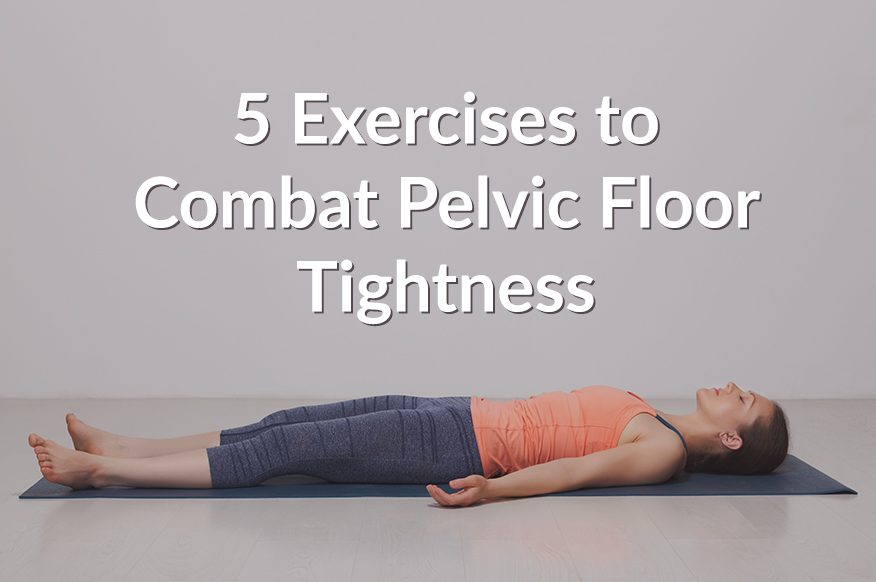
5 Exercises to Combat Pelvic Floor Tightness
Pelvic floor tightness is a form of pelvic floor dysfunction that can happen for several reasons and can cause irritation and pain with intercourse, tampon use, yearly exams, and it can also lead to a higher frequency of vulvar irritation, UTI’s, painful bladder syndrome and much more. Having a flexible pelvic floor can prevent issues like these from occurring as […]
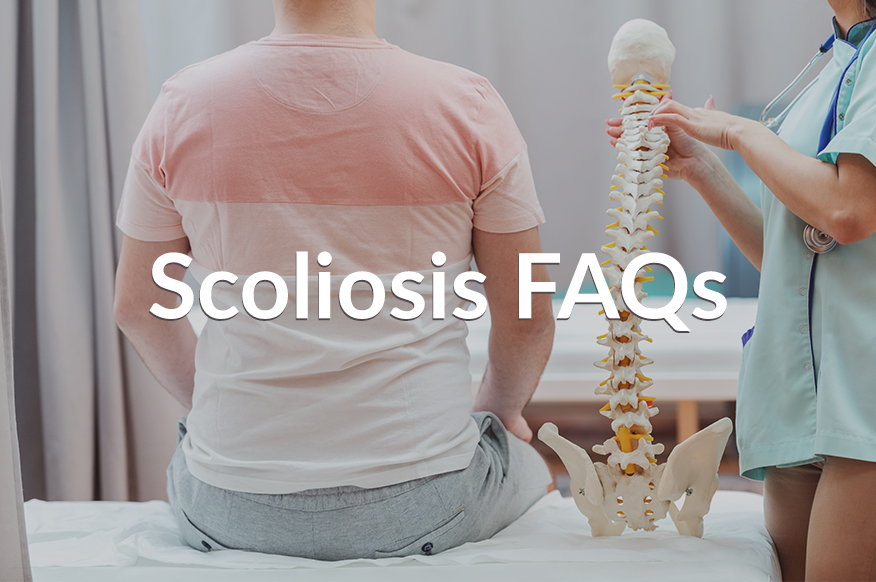
Scoliosis Treatment FAQs
Most of us are familiar with the term scoliosis from being tested for it during puberty. We know the term and that it means a curve in the spine but there is more to scoliosis than meets the eye. Below are some of the common questions that our physical therapists get about scoliosis: Question: What is scoliosis? Scoliosis is a […]

Back Pain After A Car Accident FAQ’s
The back or spine is composed of robust and resilient tendons, muscles and ligaments that provide support to our vertebrae, discs and the spinal cord. Although these structures are inherently strong, just like any other part of the body, they can become injured as a result of a motor vehicle accident. Overall, back pain after a car accident is one […]
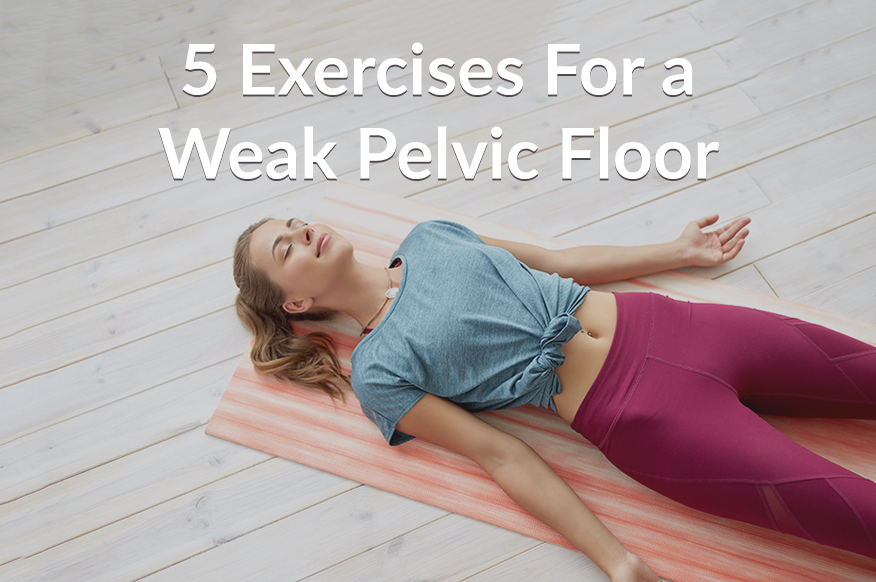
5 Exercises For A Weak Pelvic Floor
Pelvic floor weakness can happen to anyone, whether you’ve had kiddos or not. It is sometimes hard to keep up with gravity itself and we often forget that just like our biceps, if we don’t use it we lose it. So here are 5 pelvic floor dysfunction treatment exercises that can help you KEEP IT, and avoid incontinence and prolapse […]

5 Common Car Accident Injuries
More than three million suffer from car accident injuries each year. These injuries from car accidents can vary depending on the severity of the accident among other factors. Though there are many injuries one may suffer from a car accident, there are some injuries that are more common than others. 1. Whiplash Whiplash is often sustained from a rapid back […]
Exercises To Prevent Work Related Injuries
Those of us in the physical therapy world are often exposed to a number of different types of injuries. The most common of them (sporting events, skiing, running) we are all familiar with and generally understand how and why they happen. The unexpected injuries, like those that happen in the workplace, can be equally as serious and present a challenge […]

Get To Know Your PT: Christina Cherng, PT, DPT
Therapydia Saratoga Physical Therapist Christina Cherng, PT, DPT takes some time to share her the music that gets her motivated, her go to ways to stay active and her favorite piece of wellness advice. Change takes time – be patient with yourself and keep at it. When did you know that you wanted to be a physical therapist? 5 years […]
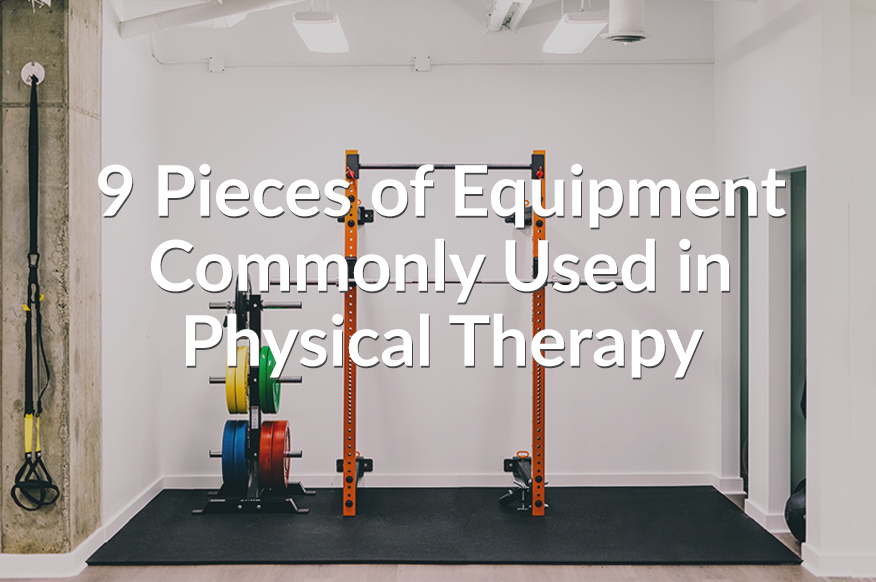
9 Pieces Of Equipment Commonly Used In Physical Therapy
When it comes to injury rehabilitation and performance enhancement, physical therapy is often the best option for healing and improving your body naturally. Whether you’re brand new to physical therapy or you’ve had limited experience in the past, you may be curious what sort of physical therapy equipment and tools are used to help you meet your goals. Just like […]

The Health Benefits Of Kegel Exercises For Men
You most likely have heard of kegel exercises for women, but what about kegel exercises for men? Kegel exercises are most often recommended as a form of pelvic floor muscle training in instances of urinary incontinence or pelvic floor dysfunction. These simple exercises are also rumored to support sexual function over time. Learn more about these easy exercises and how […]

Balance & Assessing Your Fall Risk
Balance is our ability to maintain our center of mass over our base of support to keep us steady and upright. A properly functioning balance system allows us to see clearly while moving, know our orientation in respect to gravity, and helps to determine our speed and direction when we need to move. To break it down, we have 4 […]

Get to Know Your PT – Adria Biasi, Therapydia Vancouver
Therapydia Vancouver Clinic Director Adria Biasi, PT, DPT, takes some time to talk running outdoors, the power of manual therapy, and playing with her four dogs. When did you know that you wanted to be a physical therapist? The idea first crossed my mind when I went from dreading the mile run test in high school to running and strength […]

Get to Know Your PT – Justen Hinerman, Therapydia Pearlridge
Therapydia Pearlridge Clinic Director Justen Hinerman, PT, DPT, takes some time to talk about his love of the beach, the importance of empathy, and how a football injury led to a career in PT. When did you know that you wanted to be a physical therapist? When I was a senior in high school. I injured my ankle while playing […]

Women’s Gymnastics and Lower Back Pain
Gymnastics and Lower Back Pain: My Experience I was 11 years old when I first started having pain in my lower back during gymnastics. I was a level 8 gymnast training 4 hours/day, 6 days/week…not unusual for gymnasts. It wasn’t until the pain was so bad that I could no longer perform any skills that involved arching (hyperextending) my back […]
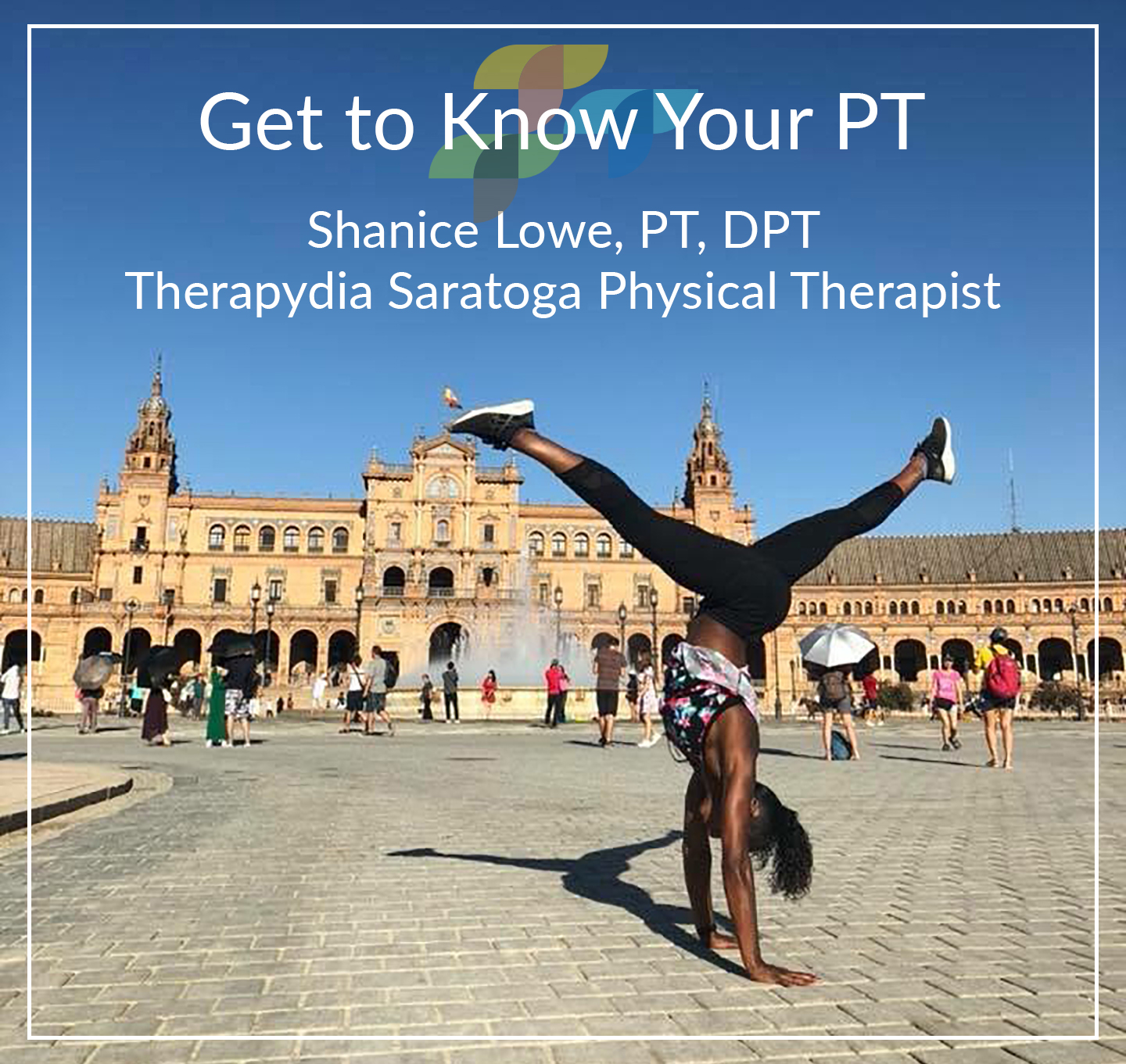
Get to Know Your PT – Shanice Lowe, Therapydia Saratoga
Therapydia Saratoga Physical Therapist Shanice Lowe takes some time to talk Insanity workouts, Harry Potter, and the amazing personal connections she’s made working as a PT. When did you know that you wanted to be a physical therapist? I was receiving my own physical therapy treatment for the first time at age 12. I was recovering from a back injury […]
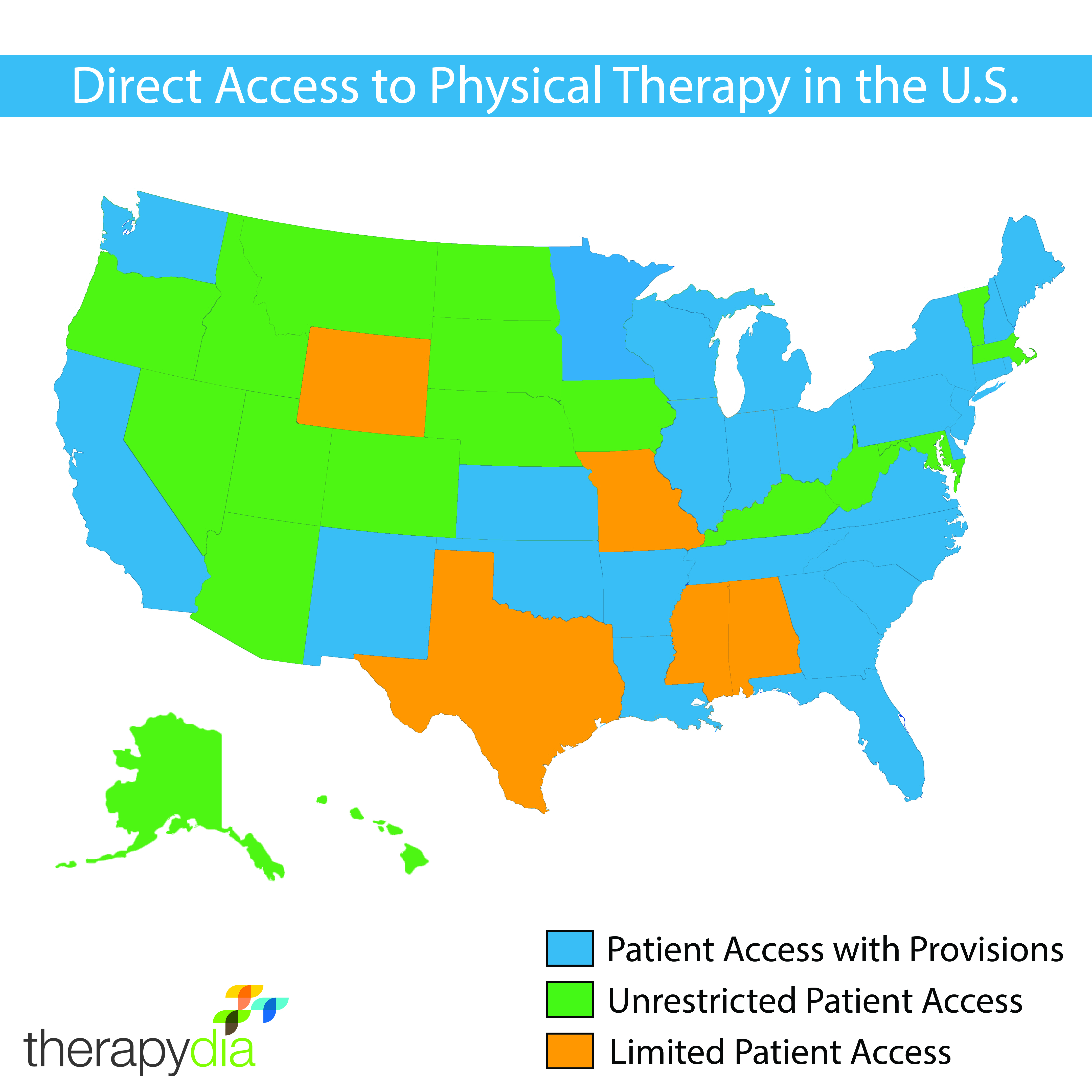
Direct Access to Physical Therapy in the U.S.
Direct access in the United States gives you the ability to see a physical therapist without the need for a physician referral. All 50 states (plus Washington DC) have some form of direct access, though some states may have provisions related to time and specific types of injuries. Direct access gives you control over how and where you receive care, […]
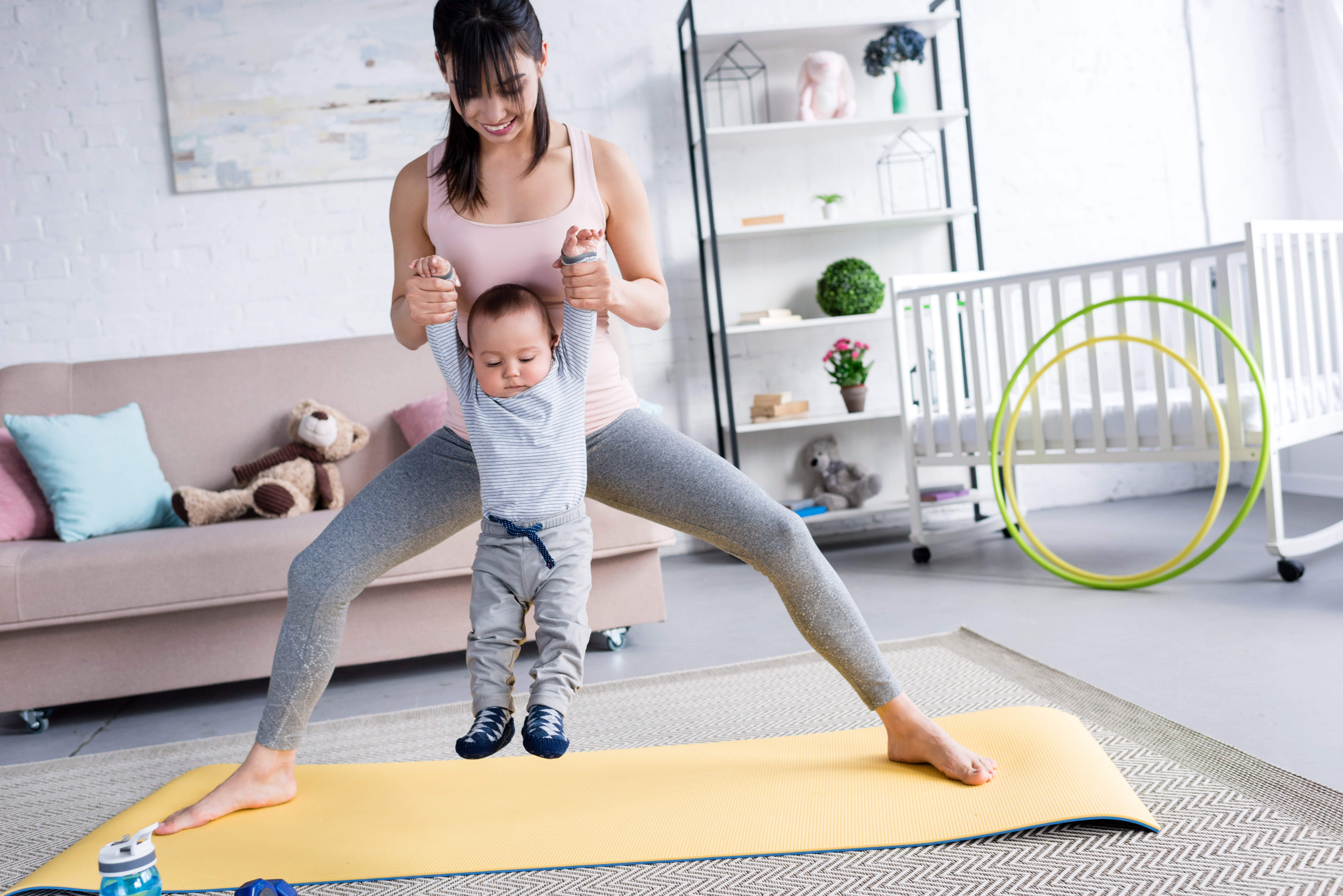
How Physical Therapy Can Help Restore Your Pre-Pregnancy Body
Over my 10 years of working as a physical therapist and also witnessing first hand, twice, how pregnancy affects a woman’s body, I’ve come to develop a simple program to help and begin the process of retransformation post-pregnancy. This nine month alteration carries some potentially serious long-term effects if the proper steps aren’t taken. In dealing with this topic, it’s […]

Get to Know Your PT – Robert Lucente, Therapydia Saratoga
Therapydia Saratoga Clinic Director Robert Lucente takes some time to talk about the importance of keeping active, why everyone should see a PT and his love of pancakes. When did you know that you wanted to be a physical therapist? My junior year in college, I had four amazing mentors while working as a student athletic trainer in the Sports […]

Workplace Desk Exercises
For many of us, a normal work week means 40+ hours sitting in front of the computer, often hunched over with poor posture and little consideration for our body’s need to move. After a full day of catching up on e-mails, phone calls, and meetings, the thought of sweating it out at the gym is an exhausting one. Despite the […]
Physical Therapy & Health Insurance: Finding The Right Path
Did you know that with Direct Access, you don’t need a doctor’s referral to go to physical therapy? Although Direct Access Laws vary a bit from state to state, you can see a physical therapist without a referral with most insurance groups. The hard part now is finding a physical therapist that meets both your treatment and pocketbook goals. If […]

What To Expect On Your First PT Visit
Physical therapy first-timer? What exactly are you in for on your first physical therapy visit? First off, dress comfortably because you will be moving. By the end of your evaluation, you should have a clear idea of your assessment and physical therapy treatment goals. You and your PT will create an individualized treatment plan to help you with your recovery. What […]
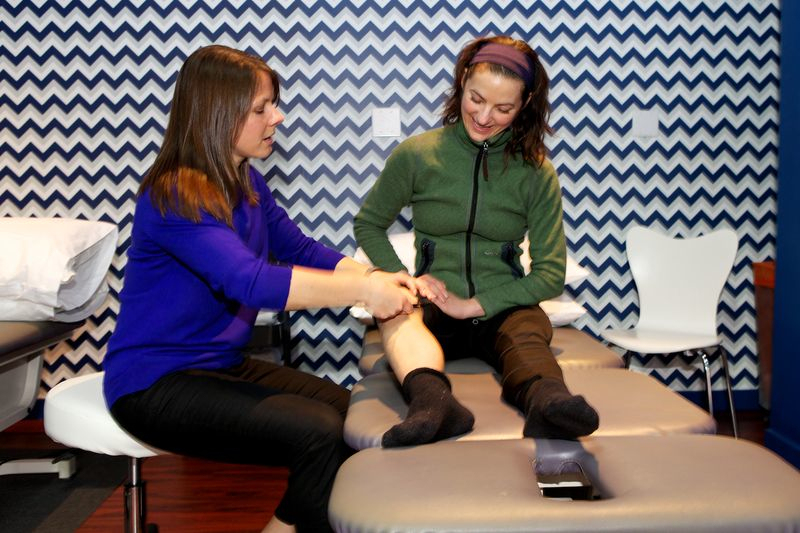
What’s Physical Therapy Really Like?
Being injured or in pain is no fun. We’ve heard many patients tell us they held off going to physical therapy because it seemed like a daunting task and hoped the injury would heal on its own. Physical therapists can help you better understand what’s causing your pain—spoiler alert: what’s causing your pain usually isn’t where you feel the pain—and […]
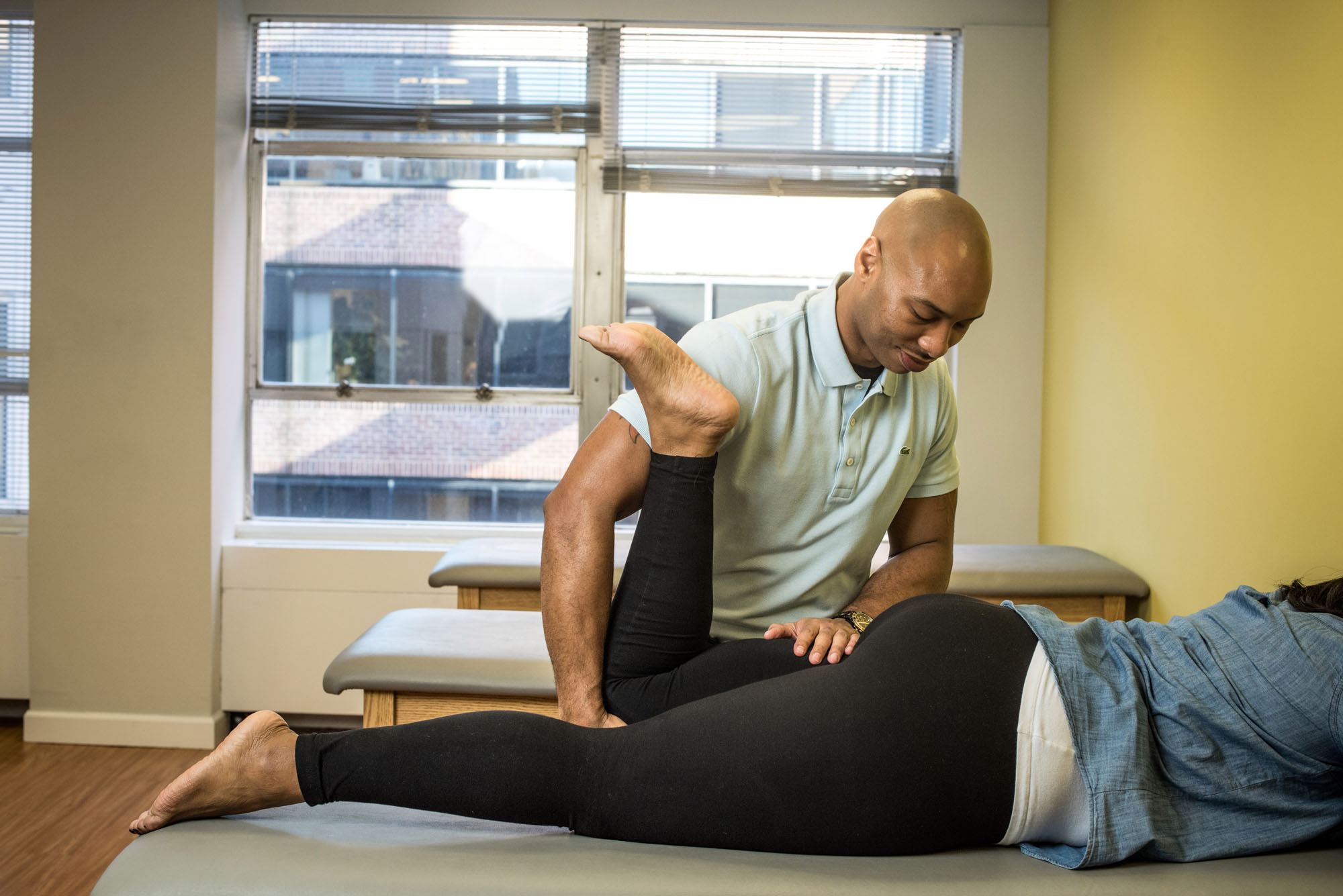
Understanding Manual Therapy
Many patients who have never experienced physical therapy before think physical therapy is just exercise programs and hot and cold pack regimes. Although both of these can be utilized in a physical therapy treatment program, manual therapy is proven to reduce recovery times* and increase a patient’s range of motion and strength. What is Manual Therapy? Manual therapy is the […]

Get a Proper Bike Fit to Cycle with Confidence
Bike to Work Week is around the corner and whether you’re getting back on the saddle after a long hiatus or have been cycling for years, having the right bike fit is the best way to prevent injury and improve performance. If you have ever experienced neck pain, hand numbness or lower back aches, chances are these could have been […]

Elderly Fall Prevention
Tips For Seniors Who Want To Avoid ‘The Dreaded Fall’ Every year, one-third of individuals over the age of 65 will fall at least once. These falls can result in minor injuries such as sprains and bruises, but can also result in more severe injuries including fractures and death. By knowing what internal and external risks can lead to balance […]

Top 15 Clinic Metrics You Should Track Within Your PT Practice
“You can’t manage what you don’t measure.” It’s an age-old adage, exhausted by so many businesspeople that it’s teetering on the verge of cliché for some and triteness for others. In my book, the saying is oversimplified. After all, there’s plenty that we manage—both personally and professionally—that we don’t appraise according to any type of equation. So, I prefer my […]
Get a FMS and Never Miss a Powder Day
One of the main reasons so many people who love to ski, snowshoe and ice skate move to Colorado is for our amazing winters. These winter sports are thrilling, relaxing and everything in between, but lower body muscle weakness, balance issues on slippery surfaces and poor flexibility can cause injuries and most commonly we tend to see a significant number […]
How Winter Running Improves Your Health and Performance
Do you love to run but can’t bear to do it in the cold? Just because it’s the winter, doesn’t mean that you’re relegated to the treadmill or some other indoor activity in its place. There are actually some upsides to continuing your favorite pastime during the winter months. Some of which actually make cold weather running a […]
My First Experience With Sciatica
When I was 20 years old, I was going to school full-time, working as a lifeguard and surf instructor, and volunteering for the rescue squad. As a volunteer I was part of an extraction unit that specialized in removing victims from car accidents. Having my body be always ready for any wave or rescue was very important to […]
Keeping Your Body Strong Throughout Ski Season
Ski season is upon us and our patients are excited to hit the slopes (and we’re excited, tool!). Whether or not you are recovering from an injury, we’re here to help your body stay strong and ski injury free throughout the season. Shred on! Gain superhero strength Although it may seem some of us are born with superhero powers, everyone can proactively […]

Top 3 Snowboarding Injuries and How to Prevent Them
Did you know that January is Learn to Ski and Snowboard month? Whether you are a novice or a veteran, the Therapydia team wants to help you get out there and enjoy the beautiful snow and slopes without experiencing an untimely snowboarding injury that might cut your season short. Ouch, that hurt Although seasoned snowboarders may perform tricks and ride […]
Introducing Therapydia Jams!
We’re excited to announce a new series called Therapydia Jams. We’ll be regularly featuring Therapydia team members and their favorite workout playlists to help keep you moving, motivated and pain-free! Search #therapydiajams on Facebook or Twitter to access all our playlists or follow our new Spotify profile for the latest jams! Our first Therapydia Jams contributor is Jonathan Burke, DPT, MTC, […]
And the winners are…
The time has come, the 2014 PT Blog Awards voting has officially closed. So, without further ado, the winners are… Best Overall Blog: The Manual Therapist Best Clinic Blog: Dr.JarodCarter.com Best PT Technology Blog: MedBridge Education Best PT Blog: MikeReinold.com Best Student Blog: Orthopedic Manual Physical Therapy Best Advocacy Blog: Evidence in Motion Best Research in a Blog: Forward Thinking […]
The 2014 PT Blog Award Nominations are open!
The 2014 PT Blog Awards are here! Nominations officially opened today, April 7, 2014, until April 13, 2014. We will tally the community’s top 5 nominees in each category for final voting on April 14, 2014. The final winners will be announced on May 12, 2014. The winner of each category will receive an iPad mini to help them continue […]
Ask a PT: Shin Splints
Ask a PT Shin splints, the nagging lower leg pain that occurs below the knee either on the front outside part of the leg or the inside of the leg, strike again. Help answer this week’s featured question: What are some quick fixes for shin splints? Missed last week’s featured question? Add to the conversation. What does kinesio tape do? […]
Ask a PT: What Does Kinesio Tape Do?
Ask a PT Is it a fad or does it really work? Give us your opinion. Help answer this week’s featured question: What does kinesio tape do? Related Articles Want to learn more about this week’s featured question? Need articles to direct your patients to? Delve into our archive of over 32,000 pieces of content. View all articles on taping. […]
Ask a PT: Lower Back Pain
Help answer this week’s featured question: What are the best solutions for lower back pain (without surgery!)? Answer Now. Related Articles Want to learn more about this week’s featured question? Need articles to direct your patients to? Delve into our archive of over 32,000 pieces of content. View all articles on the back and back conditions. Experts Wanted Ask a […]
Ask a PT: Plantar Fasciitis
Help answer this week’s featured Ask a PT question: Exercises to move off of orthotics with plantar fasciitis? Related Articles Want to learn more about this week’s featured question? Need articles to direct your patients to? Delve into our archive of over 32,000 pieces of content. View all articles on plantar fasciitis. Experts Wanted Ask a PT and the Therapydia.com […]
Introducing Ask a PT!
Our newsletters and updates have been quiet for some time while we’ve been busy behind the scenes working on new Therapydia.com features. In our never ending quest to elevate the PT profession and educate consumers about its benefits, we decided to create Ask a PT, a Q&A forum linking patients and PTs directly. We’ll be circulating a new question each […]
Therapydia launches Find a PT, a free tool matching consumers with expert physical therapists
Mill Valley, CA- Therapydia, the largest online community dedicated to physical therapy, has launched a new tool to help consumers find physical therapists in their area based on expertise, ailment and more. “We designed our Find a PT feature from the eye of the patient, driven by ease of use,” said Jonathan Shariat, Director of Product.“ It’s simple for users […]
Therapydia Wellness Outing: West Point Inn
As a company dedicated to physical therapy, it’s no surprise that the Therapydia team is an active crew. While we have the typical schedules to be expected at a busy start-up, we make sure to get out of the office as a team at least once a month to get some fresh air or try a new wellness activity. Given […]
How to Ensure You Stand Out Online
Our friends at WebPT asked us to contribute a post on online branding as a PT. Head on over to their blog to read our tips and tricks here.
How an EMR Can Help Your Clinic’s Marketing Efforts
This post was contributed by our friends at WebPT to help you jump start your marketing efforts during National Physical Therapy Month. Typically when discussing electronic medical record (EMR) systems, people bring up the benefits of digital documentation: it’s easier, faster, and more organized, plus it looks better than the traditional pen-and-paper method. But that’s only the beginning of the great […]
We’re hosting #DPTstudent next week!
We’re excited to host this week’s #DPTstudent chat on Twitter! We’ll be discussing how to build your online brand and visibility and how it can help students find jobs and build referral sources. Join in to share your thoughts. 10/9 at 9pm EST. Learn more at PT Think Tank.